






विनिर्माण] प्रोसेस प्लानिंग कस्टम और प्रेसिजन घटक
कस्टम घटक और विनिर्माण भागों सटीक ज्यामिति और आयामी नियंत्रण के साथ अपने चित्र, सीएडी फ़ाइलों या प्रोसेस प्लानिंग के लिए निर्मित।.
विनिर्माण]
औद्योगिक और OEM घटक हमेशा एक निरीक्षण] उत्पाद सूची फिट नहीं होते हैं। कुछ हिस्सों में आवेदन-विशिष्ट आयाम, विशेष ज्यामिति, अनुकूलित सुविधाओं या [[0] की आवश्यकता होती है जिसे ऑफ-द-शेल्फ घटक द्वारा संबोधित नहीं किया जा सकता है। सीएनसी मशीनिंग के लिए एक लचीला मार्ग प्रदान करता है प्रोसेस प्लानिंग इन प्रकार के भागों जब डिजाइन और विनिर्माण आवश्यकताओं उपयुक्त हैं।.
- ग्राहक चित्र और [[0]s
- कस्टम घटक आवश्यकताओं
- मानक और अनुकूलित विनिर्माण
- विशेष आयाम और ज्यामिति
- माध्यमिक मशीनिंग
- सामग्री-विशिष्ट आवश्यकताओं
- निरीक्षण और गुणवत्ता की आवश्यकताओं
विनिर्माण] प्रक्रिया को केवल उत्पाद नाम के बजाय वास्तविक भाग के अनुसार चुना जाना चाहिए।.
विनिर्माण क्या है?
सीएनसी मशीनिंग प्रोग्राम मशीनिंग प्रक्रिया के अनुसार एक वर्कपीस से विनिर्माण को हटाने के लिए कंप्यूटर नियंत्रित उपकरणों का उपयोग करती है। इसका उपयोग कस्टम घटकों और अनुप्रयोग-विशिष्ट भागों के लिए नियंत्रित सुविधाओं, आयामों और ज्यामिति बनाने के लिए किया जा सकता है।.
एक [[1] सूची उत्पाद के विपरीत, एक सीएनसी मशीन घटक को इंजीनियरिंग ड्राइंग, सीएडी मॉडल, विनिर्माण या विनिर्माण के आसपास विकसित किया जा सकता है।.
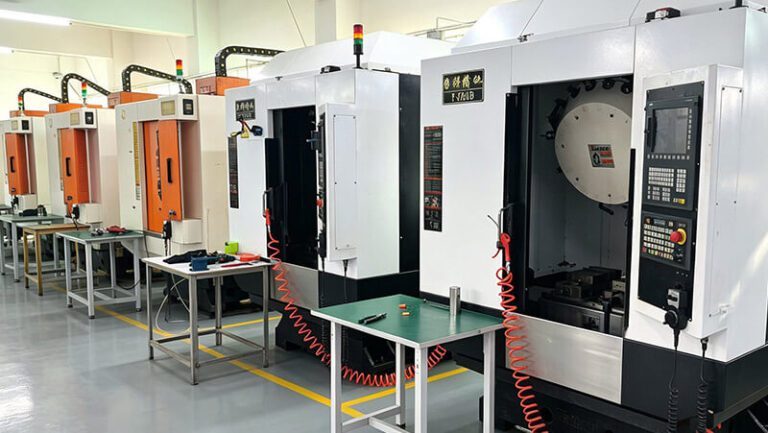

विनिर्माण कार्य
एक विशिष्ट परियोजना एक परिभाषित भाग आवश्यकता के साथ शुरू होती है और विनिर्माण], प्रोसेस प्लानिंग, मशीनिंग और निरीक्षण] के माध्यम से प्रगति होती है। वास्तविक विनिर्माण मार्ग ज्यामिति, सामग्री, सहनशीलता, मात्रा और अन्य परियोजना आवश्यकताओं पर निर्भर करता है।.
विनिर्माण उत्पादन
भाग डिजाइन के आधार पर और विनिर्माण मार्ग, सीएनसी मशीनिंग घटकों के लिए इस्तेमाल किया जा सकता है:
सीएनसी मशीनिंग क्षमता
सीएनसी मशीनिंग को हर घटक के लिए एकल विनिर्माण विधि के रूप में नहीं माना जाना चाहिए। विभिन्न भाग geometries विभिन्न मशीनिंग दृष्टिकोण या प्रक्रियाओं के संयोजन की आवश्यकता हो सकती है।.
कस्टम कंपोनेंट मशीनिंग
सीएनसी मशीनिंग उन घटकों के लिए विचार किया जा सकता है जहां ग्राहक इंजीनियरिंग आवश्यकताओं द्वारा आवश्यक ज्यामिति, आयाम या विशेषताएँ को परिभाषित किया गया है।.
- ग्राहक ड्राइंग
- CAD फाइल
- भाग संख्या
- तकनीकी विनिर्देश
- सामग्री आवश्यकता
- मात्रा
- अनुप्रयोग जानकारी
- निरीक्षण आवश्यकताओं
अधिक तकनीकी जानकारी को पूरा करने के लिए, यह एक उचित विनिर्माण मार्ग का मूल्यांकन करना आसान है।.
सेकंडरी मशीनिंग
कुछ फास्टनर और कस्टम घटकों को अन्य विनिर्माण प्रक्रिया के बाद मशीनिंग की आवश्यकता हो सकती है। आंशिक डिजाइन के आधार पर, माध्यमिक संचालन को प्रक्रियाओं के साथ जोड़ा जा सकता है:
- शीर्षक
- थ्रेड रोलिंग
- मुद्रांकन
- सीएनसी मशीनिंग
- टर्निंग
- गर्मी उपचार
उपयुक्त संयोजन ज्यामिति, सामग्री, सहनशीलता और उत्पादन मात्रा पर निर्भर करता है।.
कस्टम जियोमेट्री
कस्टम मशीनिंग प्रासंगिक हो सकता है जब किसी घटक को मानक कैटलॉग से परे ड्राइंग-परिभाषित विशेषताओं की आवश्यकता होती है:
- विशेष आयाम
- गैर-मानक ज्यामिति
- कस्टम हेड विशेषताएँ
- विशेष कंधे
- विशेष थ्रेड-संबंधित विशेषताएँ
- अनुप्रयोग-विशिष्ट आयाम
महत्वपूर्ण विशेषताओं को इंजीनियरिंग ड्राइंग पर सीधे परिभाषित किया जाना चाहिए।.
कस्टम फास्टनर के लिए सीएनसी मशीनिंग
GUXIANG की सीएनसी मशीनिंग क्षमता विशेष रूप से कस्टम फास्टनर परियोजनाओं के लिए प्रासंगिक है जहां मानक कैटलॉग उत्पाद आवश्यक ज्यामिति, आयाम या अनुप्रयोग आवश्यकताओं को पूरा नहीं करते हैं। भाग ज्यामिति और उत्पादन आवश्यकताओं के आधार पर, विनिर्माण में सीएनसी मशीनिंग, मोड़, ठंडा शीर्षक, धागा रोलिंग, मुद्रांकन, सेकंडरी मशीनिंग या अन्य लागू प्रक्रियाएं शामिल हो सकती हैं।.
Custom Fastener Projects Evaluated Using
- Customer drawings
- Samples
- Part numbers
- विशेष आयाम
- Application requirements
- Production-volume requirements
Potential Custom Requirements
- विशेष सिर आकार
- Custom drive configurations
- Non-standard thread lengths
- विशेष कंधे
- अद्वितीय व्यास
- Special points
- Reduced-head designs
- कम प्रोफ़ाइल डिजाइन
The correct manufacturing method should be selected after evaluating the component design and production requirements. Related: सीएनसी मिलिंग · सीएनसी टर्निंग · सामग्री
CNC Milling & CNC Turning
CNC machining is an overall manufacturing category. CNC milling and CNC turning represent different machining approaches and should be selected according to component geometry.
सीएनसी मिलिंग
CNC milling may be appropriate for components requiring features such as multiple machined surfaces, pockets, slots, profiles, holes and other non-rotational geometries.
- Multiple machined surfaces
- Pockets & slots
- Profiles & contours
- Holes & cross features
- Non-rotational geometries
सीएनसी टर्निंग
CNC turning may be appropriate for components based primarily on rotational geometry, including applications involving diameters, shoulders, cylindrical sections or turned features.
- Rotational geometry
- Diameters & cylindrical sections
- Shoulders & steps
- Turned features
- Threaded sections
How to Choose Between Milling and Turning
The decision should be based on the actual part design. A predominantly rotational component may be evaluated for turning, while a component with multiple non-rotational features may be better suited to milling. For custom fasteners, machining may also be combined with heading, thread rolling or other production processes.
Key factors include geometry, material, dimensional requirements, tolerance, quantity, tooling requirements, secondary operations and production stage.
Materials for CNC Machining
Material selection affects machining requirements, mechanical performance, corrosion resistance, weight, manufacturability and the final application. Material selection should always be based on the actual application and project specification.

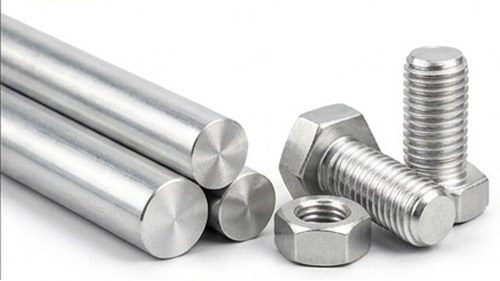
स्टेनलेस स्टील
May be considered where corrosion resistance is an important requirement. Typical application areas include marine, medical, electronics and outdoor applications.
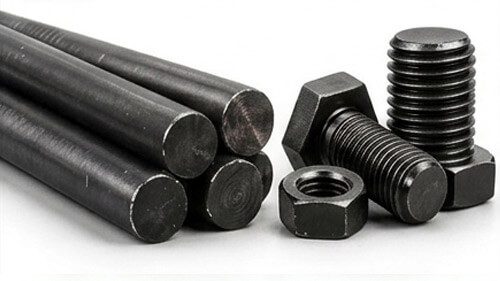
कार्बन स्टील
Widely used for industrial and mechanical applications. Selection depends on mechanical requirements, heat treatment, coating, operating environment and project specifications.
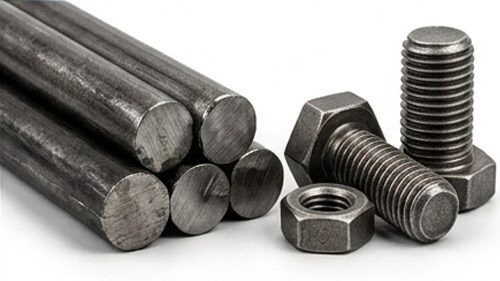
मिश्र धातु इस्पात
May be considered for high-strength and demanding industrial applications. Material grade and mechanical properties should be specified according to the applicable engineering requirements.
एल्युमिनियम
May be considered where low weight and application-specific material performance are important, with anodized and other finish options.
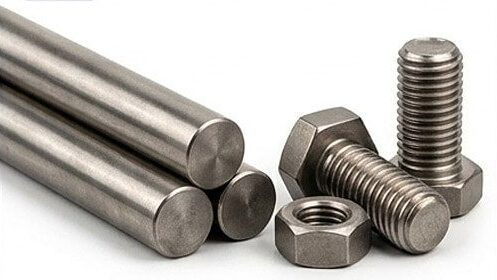
टाइटेनियम
May be considered for selected applications requiring a combination of low density, corrosion resistance or specific mechanical characteristics.
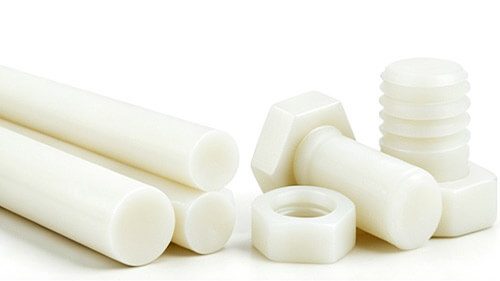
Engineering Plastics
May be considered for applications involving requirements such as low weight, electrical insulation or material compatibility.
CNC Machining Applications
CNC machining can support components used across multiple industries we serve. The manufacturing approach should be defined by the part and its requirements rather than by industry name alone.
Automotive Components
Automotive components can involve demanding requirements related to geometry, vibration, mechanical loads, dimensional consistency and production repeatability. CNC machining can be considered for custom or application-specific components where the geometry and production requirements are suitable.
Aerospace Components
Aerospace-related components may place emphasis on dimensional control, material selection, weight, corrosion resistance and documentation requirements. For project-specific aerospace applications, all required materials, standards, traceability and documentation should be established from the applicable specification.
Medical Equipment Components
Medical equipment and precision instruments may require controlled dimensions, material compatibility, surface condition and repeatable manufacturing. Specific medical requirements and certifications should be confirmed against the project documentation.
Electronics & Electrical Components
Electronic and electrical assemblies may require compact dimensions, controlled features, repeatable assembly and material compatibility. CNC machining may be considered for custom housings, components and application-specific hardware where the geometry is suitable.
इंडस्ट्रियल मशीनरी
Components for equipment such as pumps, compressors, conveyors, automation systems, robotics and other mechanical assemblies. Typical considerations include mechanical strength, dimensional accuracy, vibration, repeatable assembly, custom geometry and maintenance requirements.
Energy & Power
Energy and power equipment may involve demanding mechanical and environmental conditions. Components should be specified according to applicable material, mechanical, temperature, pressure, coating and inspection requirements.
Tolerances & Dimensional Requirements
CNC machining requirements should begin with the engineering drawing. Tighter tolerances should only be specified where they are necessary for assembly, function or performance. This approach avoids treating a generic tolerance as suitable for every component — the appropriate tolerance depends on the part function and manufacturing process.
Critical Characteristics May Include
- समग्र लंबाई
- व्यास
- Feature dimensions
- थ्रेड आयाम
- हेड आयाम
- कंधे आयाम
- Hole dimensions
- एकाग्रता
- सतह की आवश्यकताएं
- Other drawing-defined tolerances
Drawing-Based Manufacturing
For custom components, the drawing should define the critical requirements needed for manufacturing and inspection. Useful information may include:
- आयाम
- सहनशीलता
- सामग्री
- थ्रेड विनिर्देश
- सरफेस ट्रीटमेंट
- गंभीर विशेषताओं
- निरीक्षण आवश्यकताओं
A drawing, CAD file or sample can provide the basis for evaluating the manufacturing route.
Engineering Support for CNC Machining
CNC machining is most effective when manufacturing requirements are reviewed together with the engineering requirements. The purpose is not simply to machine a drawing, but to establish a practical manufacturing approach for the specified part.
ड्रॉइंग समीक्षा
Review the geometry, dimensions and critical features specified by the customer.
Material Review
Evaluate the specified material against the component requirements and manufacturing process.
टॉलरेंस समीक्षा
Identify critical tolerances and determine where dimensional control is important to component function.
मैन्युफैक्चरबिलिटी समीक्षा
Review whether the proposed geometry, material, tolerance and production requirements are suitable for the intended manufacturing route.
CNC Machining Inspection & Quality
Machined parts should be verified against the applicable drawing or project specification. Actual inspection scope should be confirmed for each project.
Inspection Categories
| श्रेणी | स्कोप |
|---|---|
| Dimensional Inspection | Diameter · Length · Feature dimensions · Critical tolerances · Head geometry · Other drawing-defined characteristics |
| Thread Inspection | Thread dimensions and characteristics inspected according to the applicable specification where threaded features are required |
| Mechanical Testing | Hardness · Tensile properties · Proof load · Other specified tests, depending on project requirements |
| Material Verification | Material documentation and verification established according to the project specification |
| Surface & Coating Inspection | Surface condition · Coating appearance · Coating thickness · Corrosion testing where specified |
| गुणवत्ता प्रलेखन | Material documentation · Inspection reports · Certificates of conformity · Other customer-specified quality records |
CNC Machining & Surface Treatment
Machined components may require a surface treatment after manufacturing depending on material, corrosion requirements, appearance and application conditions. Surface treatment should be selected according to the applicable material, performance requirements and specification.
CNC Machining Manufacturing Process
A typical custom machining project progresses through eight stages — from requirement review to packaging and delivery.
आवश्यकता समीक्षा
Provide the available:
- Drawing
- CAD फाइल
- भाग संख्या
- Specification
- सामग्री
- मात्रा
- अनुप्रयोग जानकारी
इंजीनियरिंग समीक्षा
Review:
- ज्यामिति
- सामग्री
- सहनशीलता
- Manufacturing method
- सरफेस ट्रीटमेंट
- निरीक्षण आवश्यकताओं
प्रक्रिया योजना
Determine an appropriate manufacturing route based on the part geometry, material, dimensional requirements and production volume. CNC machining may be used independently or combined with other manufacturing processes.
Prototype or Sample
Where required, samples can be evaluated for dimensional and functional requirements before production.
उत्पादन
Manufacturing follows the approved specification and production requirements.
निरीक्षण
Critical dimensions, materials and other specified characteristics are verified.
भूतल उपचार
Where required, approved surface treatments are applied according to the project specification.
Packaging & Delivery
Parts are packaged and prepared for shipment according to the customer's requirements.
CNC Machining vs Other Manufacturing Processes
CNC machining is not automatically the best process for every component. The appropriate process should be established through a manufacturability review rather than selected solely by product category.
The manufacturing route should be selected according to geometry, material, tolerance, quantity, tooling and application requirements combined.
| प्रक्रिया | Best Considered For |
|---|---|
| सीएनसी मशीनिंग | A flexible option for custom geometries and application-specific components where machining is suitable |
| सीएनसी टर्निंग | Components dominated by rotational geometry |
| सीएनसी मिलिंग | Components requiring milled features and non-rotational geometries |
| कोल्ड हेडिंग | Suitable fastener geometries and higher-volume production |
| थ्रेड रोलिंग | Parts and specifications suitable for rolled threaded features |
| मुद्रांकन | Suitable stamped geometries |
| सेकंडरी मशीनिंग | Combining machining with other processes when additional features or dimensional requirements need to be achieved |
CNC Machining for Different Production Volumes
Production volume is an important part of process selection. The optimal manufacturing route can depend on production quantity together with part geometry, material, tolerance, tooling requirements, manufacturing process and production stage. For this reason, the same component geometry may require a different production strategy at different volumes.
Related Manufacturing Services
CNC machining works as part of a broader manufacturing system.
कस्टम फास्टनर
For application-specific fastener geometry, dimensions and manufacturing requirements.
गुणवत्ता निरीक्षण
For dimensional, material and other specified inspection requirements.
अक्सर पूछे जाने वाले प्रश्न
सीएनसी मशीनिंग के लिए क्या उपयोग किया जाता है?
सीएनसी मशीनिंग कस्टम घटकों, अनुप्रयोग विशिष्ट भागों और चयनित फास्टनर से संबंधित घटकों के लिए इस्तेमाल किया जा सकता है जहां ज्यामिति, आयाम, सामग्री और अन्य इंजीनियरिंग आवश्यकताओं को नियंत्रित करने की आवश्यकता होती है।.
सीएनसी मशीनिंग उद्धरण के लिए आपको क्या जानकारी चाहिए?
उपयोगी जानकारी में एक ड्राइंग या सीएडी फ़ाइल, भाग संख्या, आयाम, सामग्री, मात्रा, आवेदन आवश्यकताओं, महत्वपूर्ण सहिष्णुता, सतह के उपचार और निरीक्षण आवश्यकताओं शामिल हैं।.
क्या GUXIANG ग्राहक चित्र से कस्टम भागों का निर्माण कर सकता है?
ग्राहक चित्र, सीएडी फाइलें, विनिर्देश और नमूने कस्टम विनिर्माण आवश्यकताओं का मूल्यांकन करने के आधार के रूप में इस्तेमाल किया जा सकता है।.
क्या सीएनसी मशीनिंग कस्टम फास्टनरों के लिए इस्तेमाल किया जा सकता है?
हाँ। सीएनसी मशीनिंग एक कस्टम फास्टनर विनिर्माण मार्ग का हिस्सा हो सकता है जब आवश्यक ज्यामिति, आयाम, सामग्री, सहिष्णुता और उत्पादन आवश्यकताओं मशीनिंग के लिए उपयुक्त हैं।.
सीएनसी मिलिंग और सीएनसी मोड़ के बीच क्या अंतर है?
सीएनसी मिलिंग और सीएनसी मोड़ विभिन्न मशीनिंग दृष्टिकोणों का उपयोग करते हैं। उपयुक्त प्रक्रिया मुख्य रूप से आंशिक ज्यामिति पर निर्भर करती है। टर्निंग आम तौर पर घूर्णन घटक ज्यामिति के साथ जुड़ा हुआ है, जबकि मिलिंग गैर-रोटेशनल मशीन वाली सुविधाओं की एक विस्तृत श्रृंखला के लिए उपयुक्त है।.
मैं सीएनसी मशीनिंग और ठंड बनाने के बीच कैसे चुनूं?
विनिर्माण मार्ग ज्यामिति, सामग्री, आयामी आवश्यकताओं, उत्पादन की मात्रा और टूलींग विचारों पर निर्भर करता है। कोल्ड फॉर्मिंग या हेडिंग उपयुक्त उच्च मात्रा वाले फास्टनर geometries के लिए फायदेमंद हो सकता है, जबकि सीएनसी मशीनिंग जटिल या कम मात्रा वाले घटकों के लिए उपयोगी हो सकती है।.
क्या सीएनसी मशीन भागों को सतह के उपचार प्राप्त कर सकते हैं?
Depending on the material and project requirements, parts may be specified with treatments such as जस्ता चढ़ाना, galvanizing, black oxide, passivation, anodizing or other approved finishes.
सीएनसी मशीन भागों के लिए क्या निरीक्षण प्रदान किया जा सकता है?
परियोजना की आवश्यकताओं के आधार पर, निरीक्षण में आयामी निरीक्षण, थ्रेड निरीक्षण, कठोरता परीक्षण, तन्यता परीक्षण, सामग्री सत्यापन, सतह या कोटिंग निरीक्षण और गुणवत्ता दस्तावेज शामिल हो सकते हैं।.
क्या आप मेरी ड्राइंग की गतिशीलता की समीक्षा कर सकते हैं?
एक ड्राइंग, सीएडी फ़ाइल, विनिर्देश या नमूना ज्यामिति, सामग्री, सहिष्णुता, विनिर्माण विधि, सतह के उपचार और निरीक्षण आवश्यकताओं का मूल्यांकन करने के लिए इस्तेमाल किया जा सकता है।.
What to Provide for a CNC Machining RFQ
To help evaluate your project, provide as much of the following information as available. The drawing should define the critical characteristics needed for manufacturing and inspection.
| आवश्यकता | Information to Provide |
|---|---|
| Drawing | PDF or engineering drawing |
| CAD | Available CAD file or model |
| Part Number | Customer or internal part number |
| ज्यामिति | Part design and critical features |
| सामग्री | Required material or grade |
| आयाम | Finished dimensions |
| सहनशीलता | Critical dimensional requirements |
| मात्रा | Prototype, batch or production volume |
| भूतल उपचार | Required finish or coating |
| निरीक्षण | Required inspection and documentation |
| [0] | Intended use or operating environment |
| Packaging | Customer packaging requirements |
आपकी अगली परियोजना के लिए कस्टम सीएनसी मशीनिंग की आवश्यकता है?
हमें अपने हिस्से, ड्राइंग, सामग्री, मात्रा और उत्पादन आवश्यकताओं के बारे में बताएं। GUXIANG यह निर्धारित करने के लिए कि क्या सीएनसी मशीनिंग आपके आवेदन के लिए उपयुक्त है, घटक ज्यामिति, सामग्री, सहिष्णुता, विनिर्माण मार्ग और निरीक्षण आवश्यकताओं का मूल्यांकन कर सकता है। परियोजना मूल्यांकन के लिए अपना ड्राइंग, सीएडी फ़ाइल, विनिर्देश या नमूना भेजें।.