






Industrial Manufacturing & Fastener Services
Industrial component sourcing often involves more than purchasing a standard fastener. Engineering support, multiple manufacturing routes, integrated quality control and coordinated delivery, connected in one service model.
Our Manufacturing & Engineering Services
GUXIANG’s service structure is designed to support different stages of an industrial component project, from initial requirements through production and final verification.
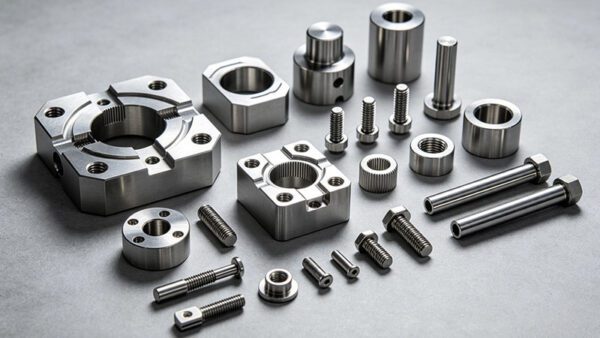
CNC Machining
Precision manufacturing for complex geometries, custom components and parts that require controlled dimensions or secondary machining. Suited to custom fasteners, precision screws, bushings, pins, spacers, standoffs and other drawing-based metal parts.
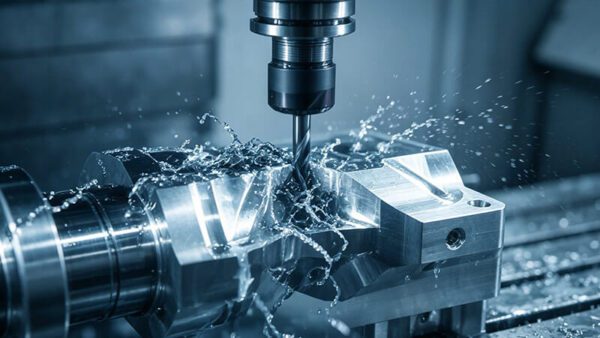
CNC Milling
Suited to components with multiple features, prismatic geometry, flat surfaces, pockets, slots, holes and other non-rotational characteristics. Features are controlled individually according to the customer drawing and functional requirements.

CNC Turning
Suited to rotational and cylindrical components such as pins, shafts, bushings, spacers, standoffs, studs, threaded components and turned fasteners, where diameter, concentricity and threading are central to the design.

Custom Fastener Manufacturing
Not every fastening application can be solved with a catalog component. Custom fasteners are developed around drawings, CAD models, samples, part numbers, special dimensions, custom threads, head geometry and drive configurations.
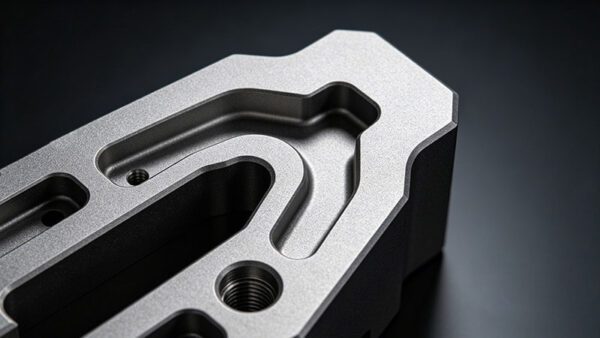
Quality Inspection
Inspection is planned around the characteristics that matter to the application: dimensions, threads, material, hardness, tensile properties, surface and coating condition, plus corrosion testing and documentation where specified.
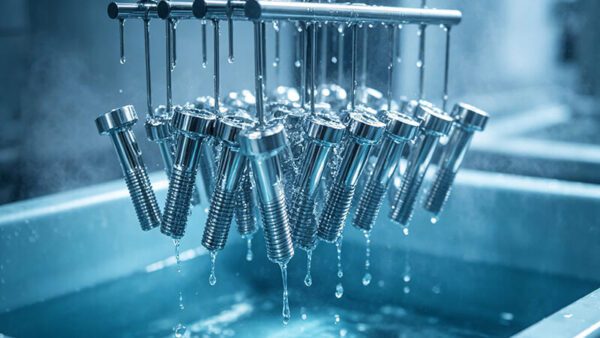
Surface Treatment
Finishing can influence corrosion protection, appearance, surface condition, friction characteristics and service performance. Treatment selection follows the base material, operating environment, geometry and dimensional requirements.
One Service Structure for Different Requirements
Different projects require different combinations of services. This structure lets customers enter the GUXIANG system at the point most relevant to their project.
Catalog Supply Path
For standard fasteners specified by dimensions, material, grade, thread system, finish and applicable standard.
Product Selection → Material & Grade → Surface Treatment → Inspection → Delivery
Drawing-Based Path
For application-specific components where geometry, thread form or head design must be developed rather than selected.
Drawing / Sample → Engineering Review → Manufacturing Route → Custom Manufacturing → Surface Treatment → Quality Inspection → Documentation
Machined Component Path
For precision metal parts specified by CAD model or drawing, where tolerance and interface control drive the route.
CAD / Drawing → Geometry Review → CNC Milling / Turning → Inspection → Surface Treatment → Final Verification
Why Customers Use GUXIANG Services
An integrated service model is not valuable simply because it contains more processes. It is valuable because the decisions that determine the finished component stay connected.
Engineering-Supported Manufacturing
The service model starts with the requirement rather than pushing a predefined product. Drawings, materials, tolerances, manufacturability and inspection scope are reviewed before production begins.
Standard + Custom Supply
Customers can source standard fasteners while developing application-specific components through the same supply chain, instead of managing catalog purchasing and custom manufacturing separately.
Multiple Manufacturing Routes
Depending on the component, manufacturing may combine machining, forming, stamping, heading, thread rolling and secondary operations. The route follows the part, not the other way around.
Quality Control
Inspection is integrated into the production process rather than performed only at the end, with project-specific requirements defined around the critical characteristics of the part.
Surface Treatment Coordination
Finishing can be incorporated into the complete manufacturing specification, including dimensional verification after treatment, rather than being treated as an unrelated final step.
Global Customer Support
Service coverage across international markets, with technical and order coordination maintained throughout the project lifecycle, from first inquiry to shipment and after-sales support.
A Service Process Built Around Your Requirement
Seven stages, from the first requirement communication through production, verification and delivery.
Requirement Communication
Provide what is available for the project: drawing or CAD file, part number, sample, material, quantity, application, standard, finish and inspection requirements.
Engineering Review
The team reviews the requirements and evaluates the appropriate manufacturing and quality route for the component.
Solution Development
Depending on the project: standard product selection, custom geometry, material recommendation, manufacturing route, surface treatment and inspection plan.
Order Confirmation
Part specification, quantity, surface treatment, inspection requirements, packaging and delivery requirements are confirmed before production.
Production
Manufacturing is performed according to the approved requirements and the agreed production route.
Inspection & Final Verification
Critical characteristics are checked according to the agreed quality plan, with records generated for the lot.
Inspection & Final Verification
Critical characteristics are checked according to the agreed quality plan, with records generated for the lot.
Manufacturing Processes for Custom Components
The right manufacturing process depends on the design rather than the keyword used to describe the part. These are the routes we combine according to geometry, material, tolerance and volume.
CNC Machining
Complex geometries, precision features, custom components, lower-volume production and prototype development.
CNC Turning
Rotational geometry, cylindrical parts, shafts, pins, bushings and threaded turned components.
CNC Milling
Prismatic geometry, slots, pockets, multiple flat surfaces and multi-feature parts.
Cold Heading
Multi-station heading for high-volume standard and custom fasteners where tooling economics support the process.
Thread Rolling
Considered where component design and material are suitable and thread production favours a forming process.
Stamping
Sheet and strip-based components and formed hardware.
Secondary Machining
Operations used to add or refine features after a primary manufacturing process.
Heat Treatment
Applied where the material and mechanical specification require controlled mechanical properties.
Manufacturing by Production Volume
Production volume strongly influences manufacturing economics. Prototype, low-volume and high-volume projects may use different combinations of machining, forming, heading or stamping.
Prototype & Development
Priorities are design verification, dimensional accuracy, fast iteration, flexible manufacturing and functional evaluation. CNC machining is often useful here because tooling requirements may be lower than for dedicated forming processes.
Recurring Production
The process balances unit cost, setup requirements, tooling, repeatability, inspection and surface treatment. A hybrid process may be appropriate for some components.
High-Volume Production
Emphasis shifts to cycle efficiency, process repeatability, tooling economics, consistent material supply, standardised inspection and production traceability.
Integrated Quality & Production Control
Quality is not a separate activity performed only after manufacturing. Production tracking provides visibility across machining, cutting, heading and stamping activities, together with in-process data and generated inspection records.
Quality Documentation
- Inspection reports
- Material documentation
- Certificates of conformity
- Surface-treatment records
- Customer-specific quality records
The exact documentation package is agreed during project review. For regulated or highly specified applications, documentation requirements should always be confirmed before production.
Engineering Support Before Production
Manufacturing problems are often easier to solve before production begins. Our service model includes engineering consideration of the relationship between design requirements and manufacturing.
Corrosion Protection
- Zinc platingand zinc-based coatings
- Zinc flake coatings
- Hot-dip galvanizing
- Passivation and anodizing
- Black oxide and specified finishes
Material Selection Support
- Carbon steel
- Alloy steel
- Stainless steel
- Aluminum
- Titanium
- Engineering plastics
Evaluated against mechanical requirements, corrosion environment, temperature, weight, compatibility with mating components and the intended manufacturing process.
Manufacturability Review
- Geometry
- Material
- Tolerance
- Production volume
- Tooling
- Required surface treatment
A component that is suitable for CNC machining in low volume may use a different production route at higher volume.
Tolerance Review
- Diameter
- Overall length
- Thread dimensions
- Head dimensions
- Shoulder dimensions
- Concentricity
Mating interfaces and critical fits are reviewed together with the drawing tolerances that govern them.
Services for Different Industries
The service model supports different industrial requirements because the manufacturing route is selected around the application, not the other way around.
Automotive
High strength, vibration resistance, consistent dimensions and production repeatability
Aerospace
Material selection, weight considerations, dimensional control and documentation
Medical Devices
Dimensional consistency, controlled surface condition and repeatable production
Electronics
Compact components, precise threads, low-profile geometry and material compatibility
Marine & Offshore
Corrosion resistance, surface treatment and galvanic compatibility
Construction & Infrastructure
Structural fasteners, high-strength components and outdoor corrosion protection
Industrial Machinery
Bolts and screws, precision components, CNC machined parts and custom fasteners
Energy & Renewable
Outdoor environments, vibration, corrosion, mechanical loading and thermal cycling
How to Choose the Right GUXIANG Service
Start with the actual part requirement. This approach prevents choosing a manufacturing method before the component’s requirements are understood.
GUXIANG as a One-Stop Manufacturing Partner
The value of an integrated service model is not simply having more processes. It is the ability to connect the decisions that affect the final component.
This reduces the need to manage disconnected decisions across multiple suppliers. GUXIANG operates as a one-stop fastener solutions provider with engineering support, multiple manufacturing divisions and global service coverage.
What to Send for a Manufacturing Service Inquiry
A quotation can be evaluated more efficiently when the technical requirement is clearly defined. Provide as much of the following as is available.
Frequently Asked Questions
Common questions about manufacturing services, custom parts, inspection scope and documentation. If your question is not covered here, send the drawing and our engineering team will review it.
GUXIANG provides a combination of engineering support, standard and custom fastener supply, CNC machining, heading, stamping and related production and quality services. The appropriate process depends on the component and project requirements.
Yes. Custom projects can be evaluated from customer drawings, CAD files, samples, part numbers or application requirements. The available process depends on geometry, material, tolerance and production volume.
CNC milling is generally suited to multi-feature and prismatic geometry, while CNC turning is suited to rotational and cylindrical geometry. Some components may require a combination of both.
Yes. GUXIANG’s service model supports both standard fasteners and application-specific customized components, allowing customers to combine catalog requirements with custom manufacturing.
Yes. Surface treatment can be evaluated together with material, geometry, dimensional requirements and inspection requirements.
Depending on the project, inspection may include dimensional, thread, mechanical, material, surface and coating verification, as well as specified corrosion or visual inspection. Production data and finished-part inspection systems support in-process and final verification.
Production volume is one of the factors used to determine the most appropriate manufacturing route. Prototype, low-volume and high-volume projects may use different combinations of machining, forming, heading or stamping.
Yes. Engineering review can consider drawings, materials, tolerances, manufacturability, surface treatment and inspection requirements before production.
Documentation depends on the project. Inspection reports, material certificates and surface-treatment records can accompany shipments.
Start Your Manufacturing Project with GUXIANG
Whether you are sourcing standard fasteners, developing a custom component or looking for a complete manufacturing route, the project should begin with the actual engineering requirement. Send us your drawing, CAD file, part number, sample, material, quantity or application description.

Need Custom CNC Machining for Your Next Project?
Tell us about your part, drawing, material, quantity and production requirements. GUXIANG can evaluate the component geometry, material, tolerances, manufacturing route and inspection requirements to determine whether CNC machining is suitable for your application. Send your drawing, CAD file, specification or sample for project evaluation.